Tarot cards are a set of 78 cards that are used primarily for divination, introspection and meditation. The deck is divided into two parts. They are popular tools in spiritual and occult practices.
Major Arcana
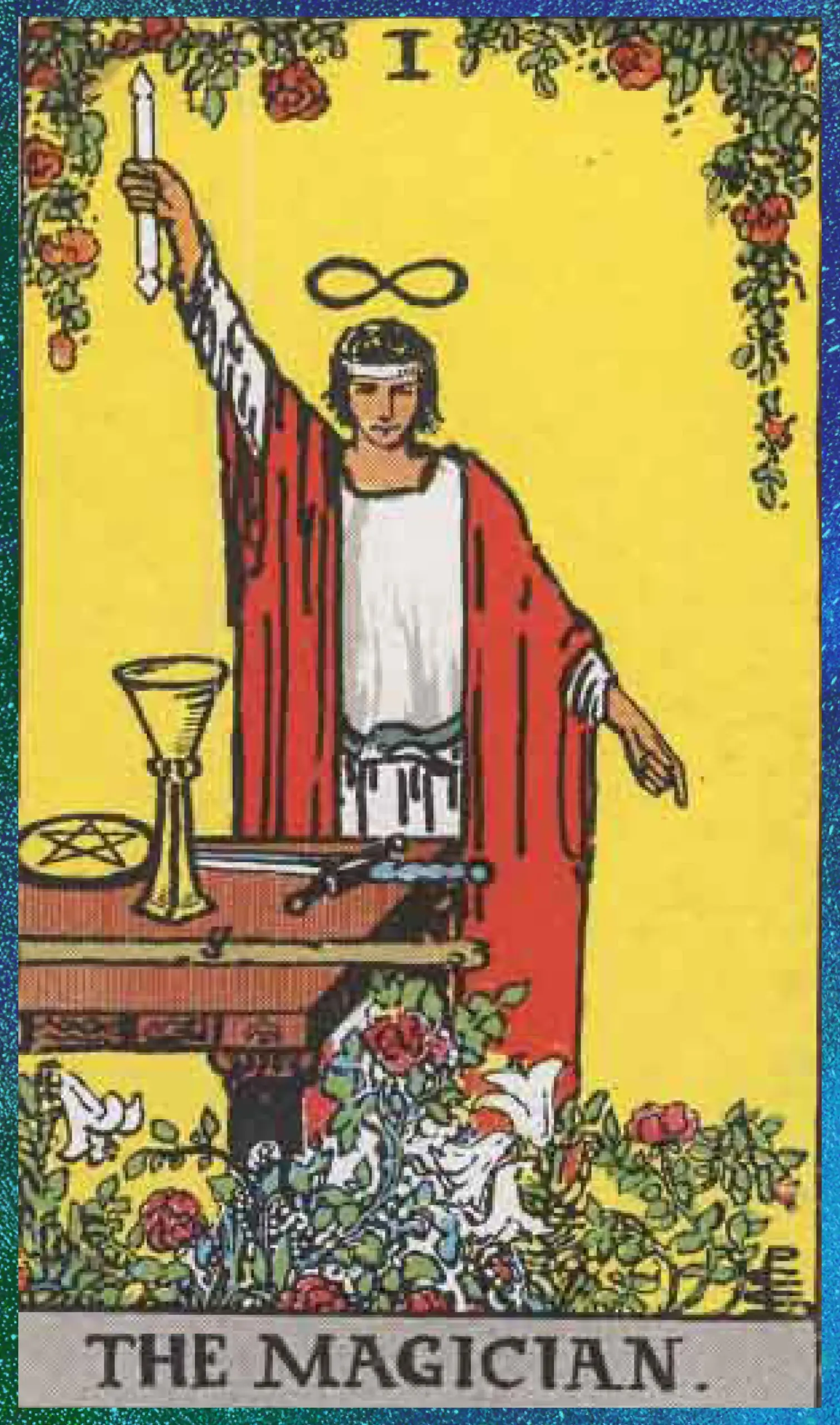
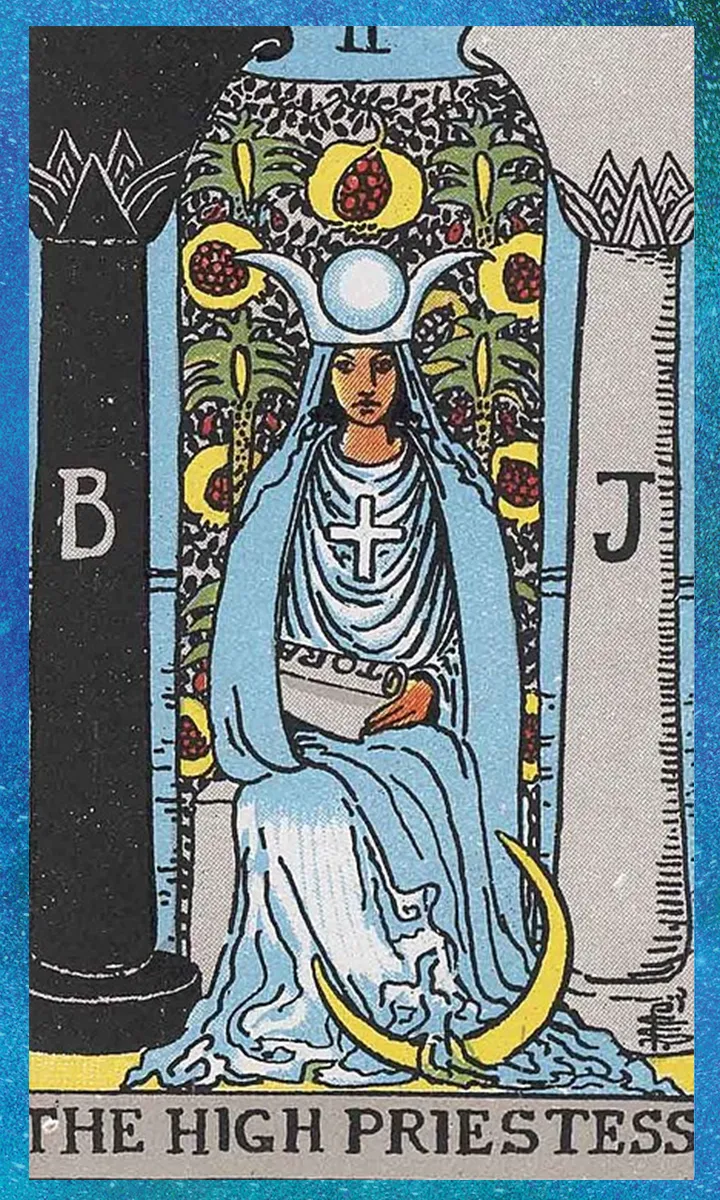
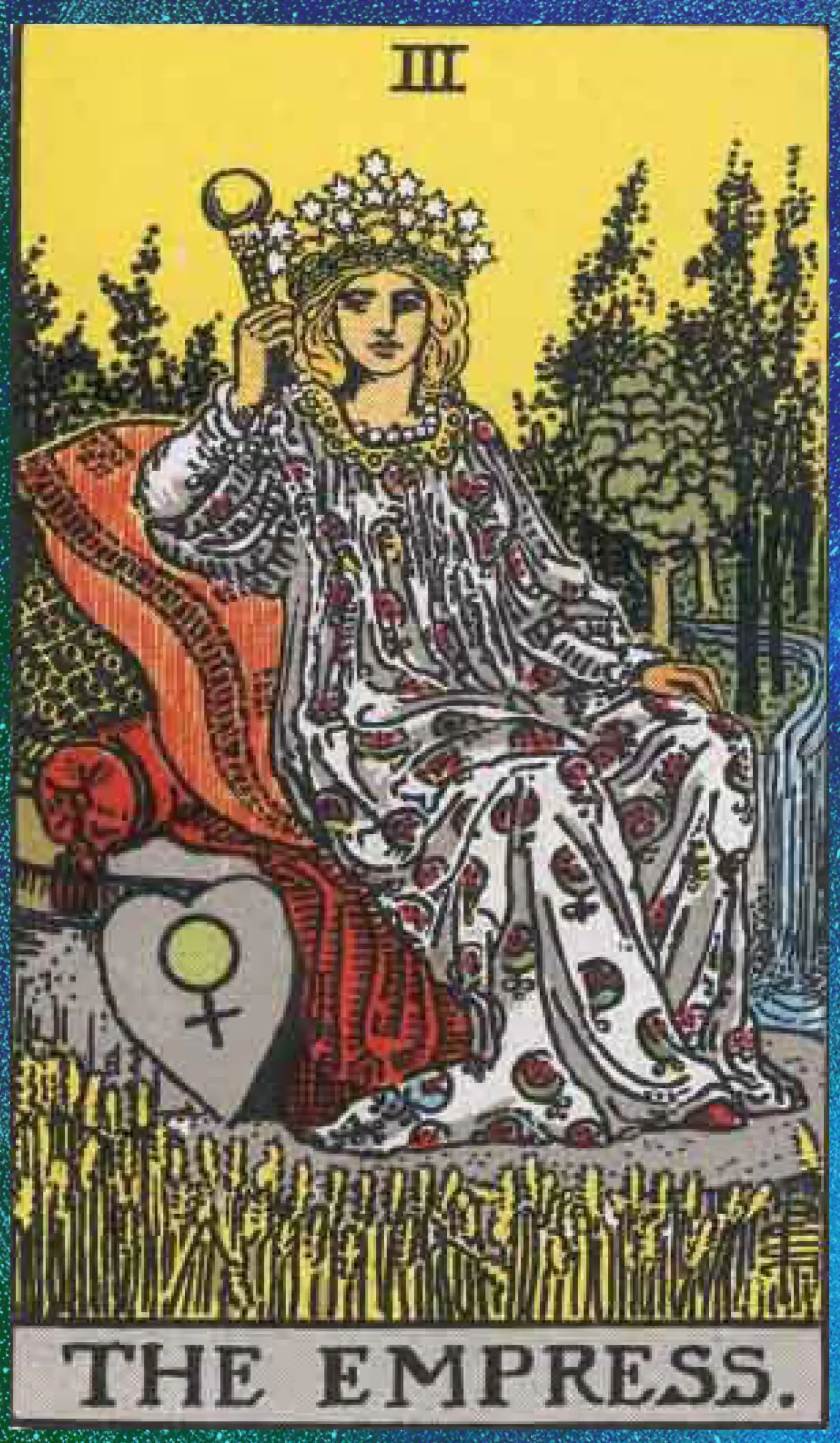
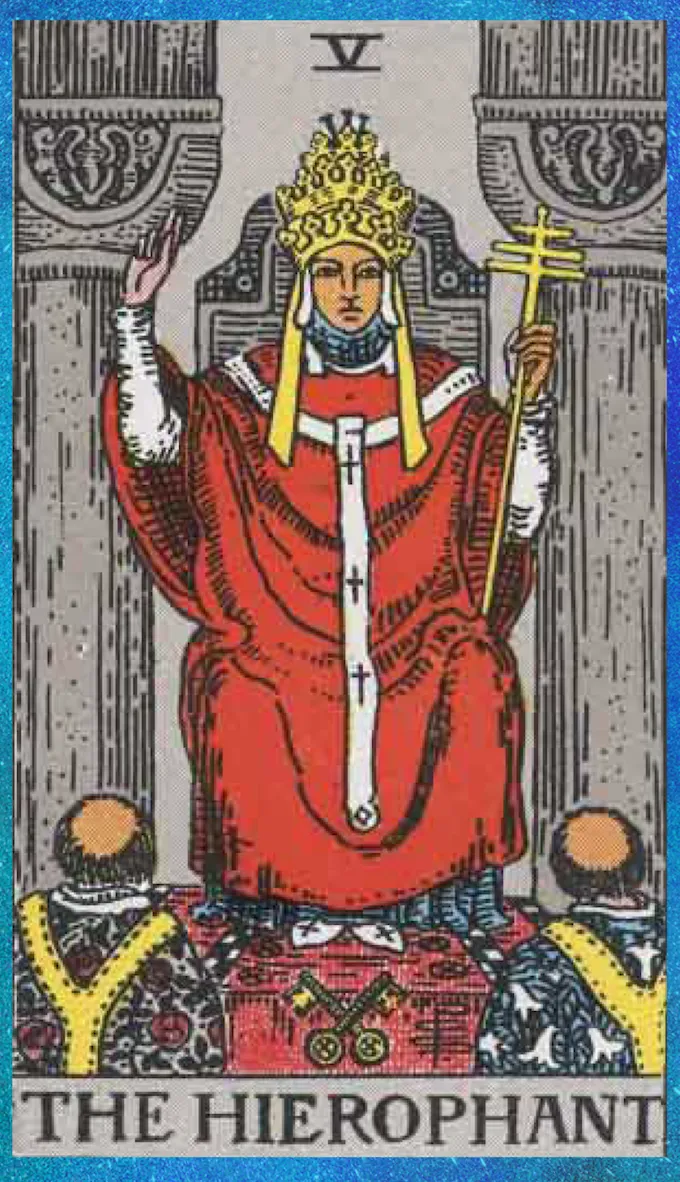
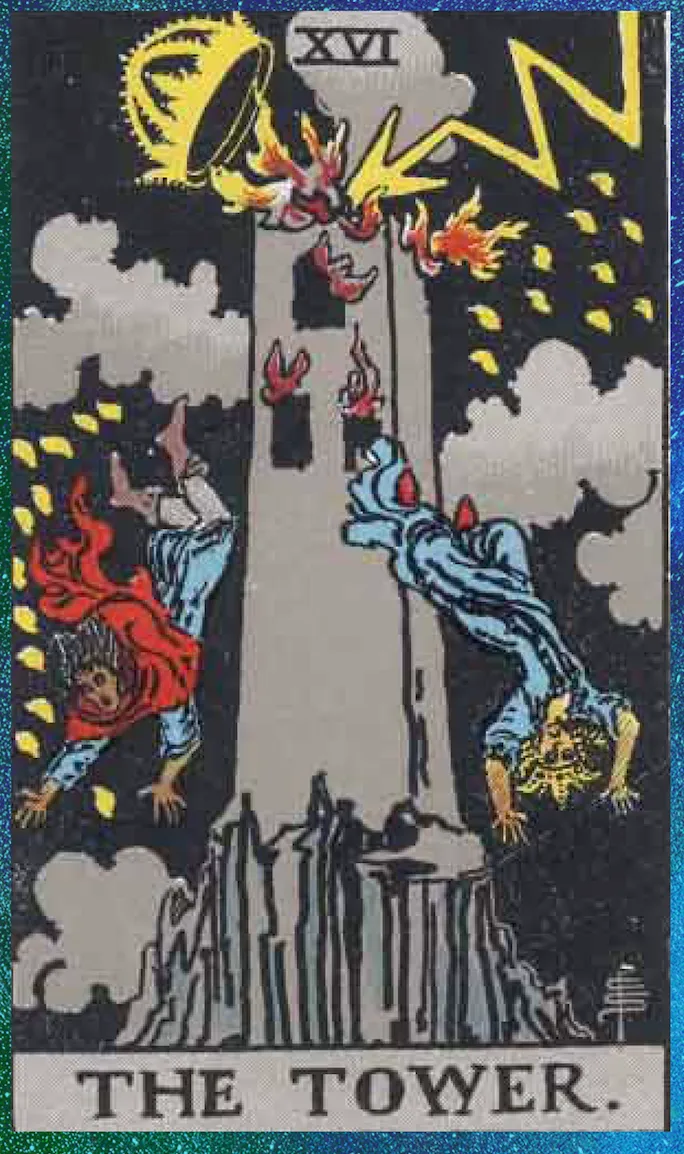
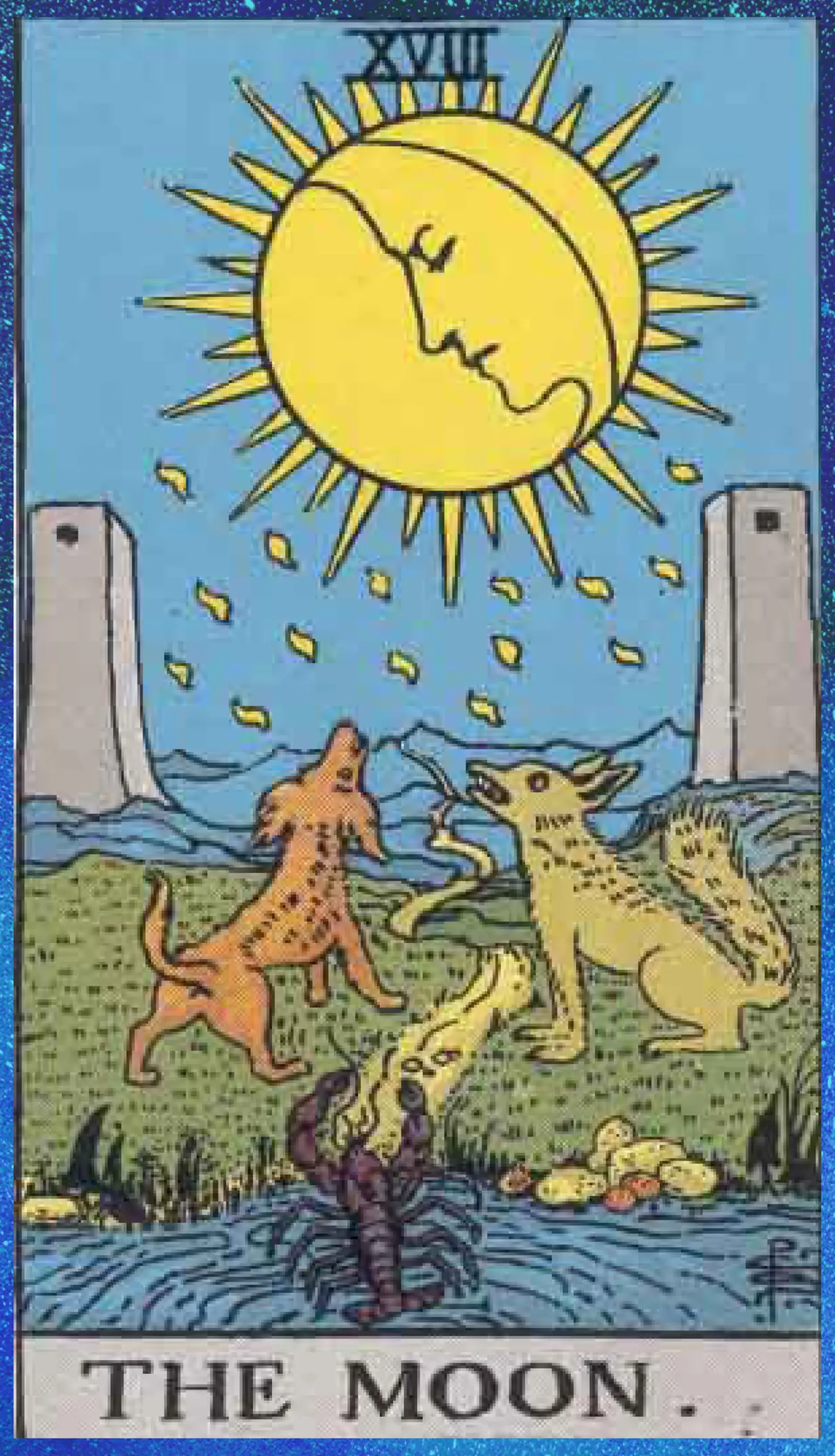
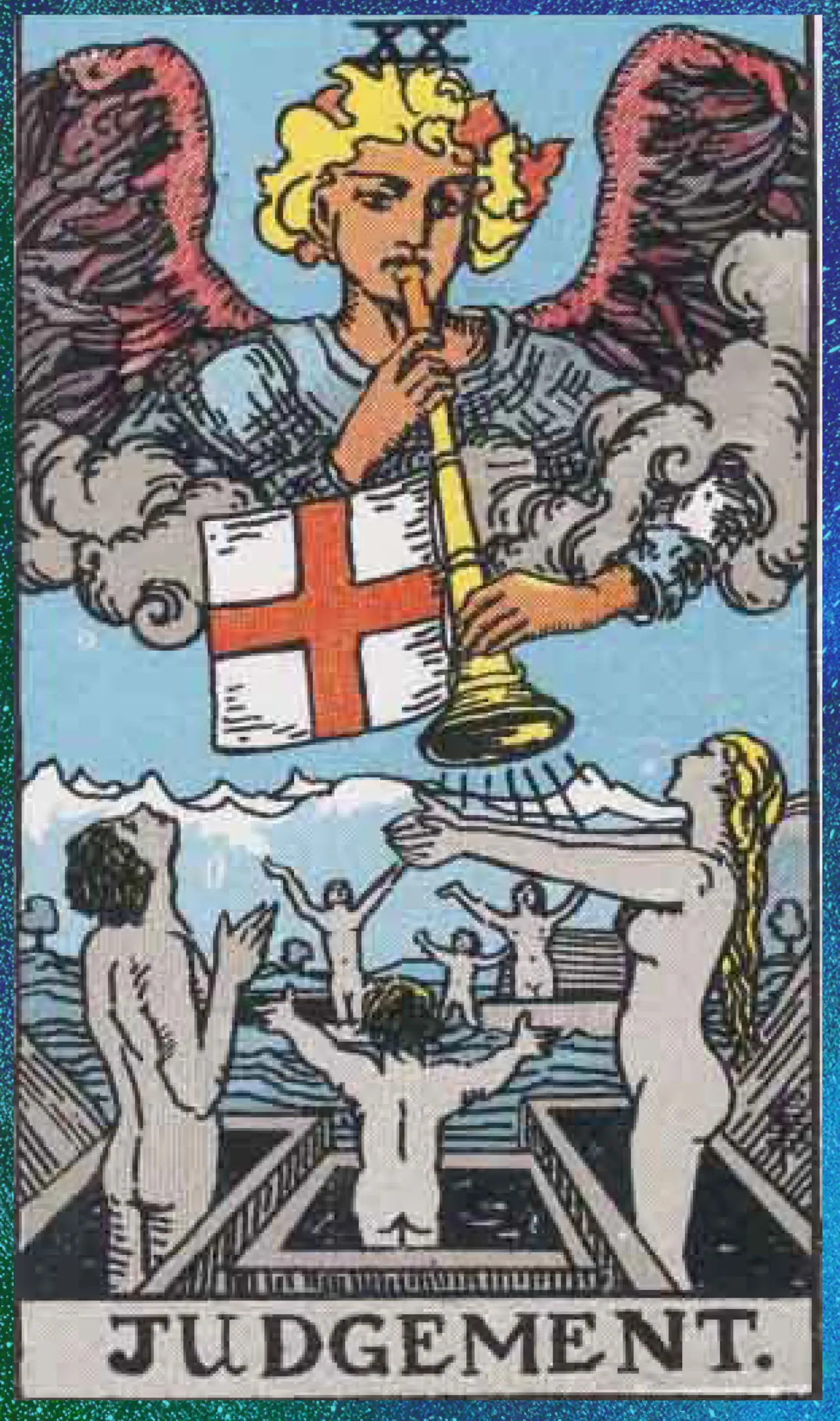
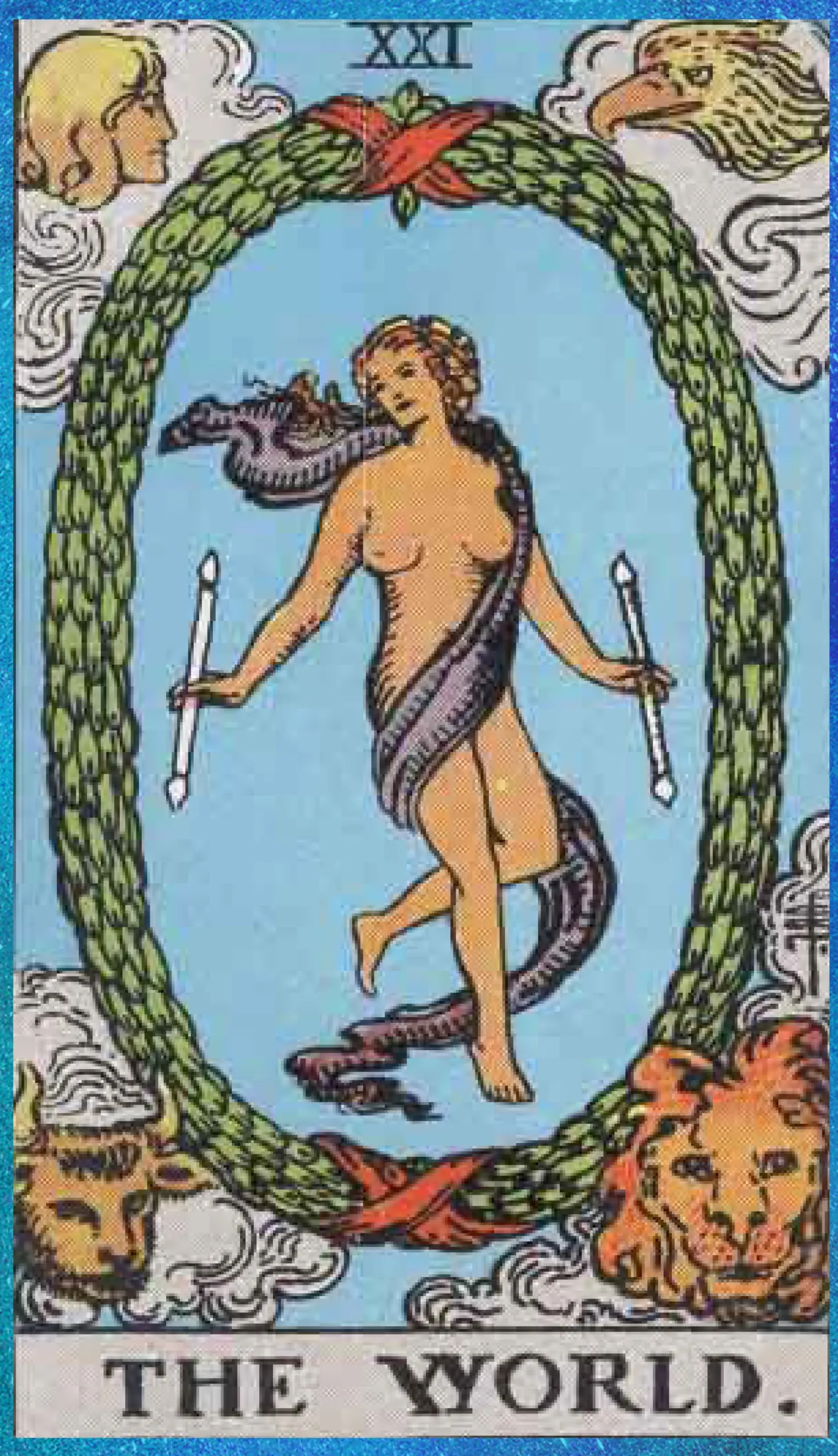
The Major Arcana is the most important and significant part of the tarot deck, consisting of 22 cards. Each card is numbered and features a unique image that holds deeper meanings and occult as well as mythological references symbolic meanings often represent major events, deeper spiritual teachings, and various aspects of human life. The tarot card meanings found in the Major Arcana often reflect these profound and transformative themes.
The series starts with The Fool (card 0) and ends with The World (card 21), symbolizing the journey of human life from ignorance to enlightenment.
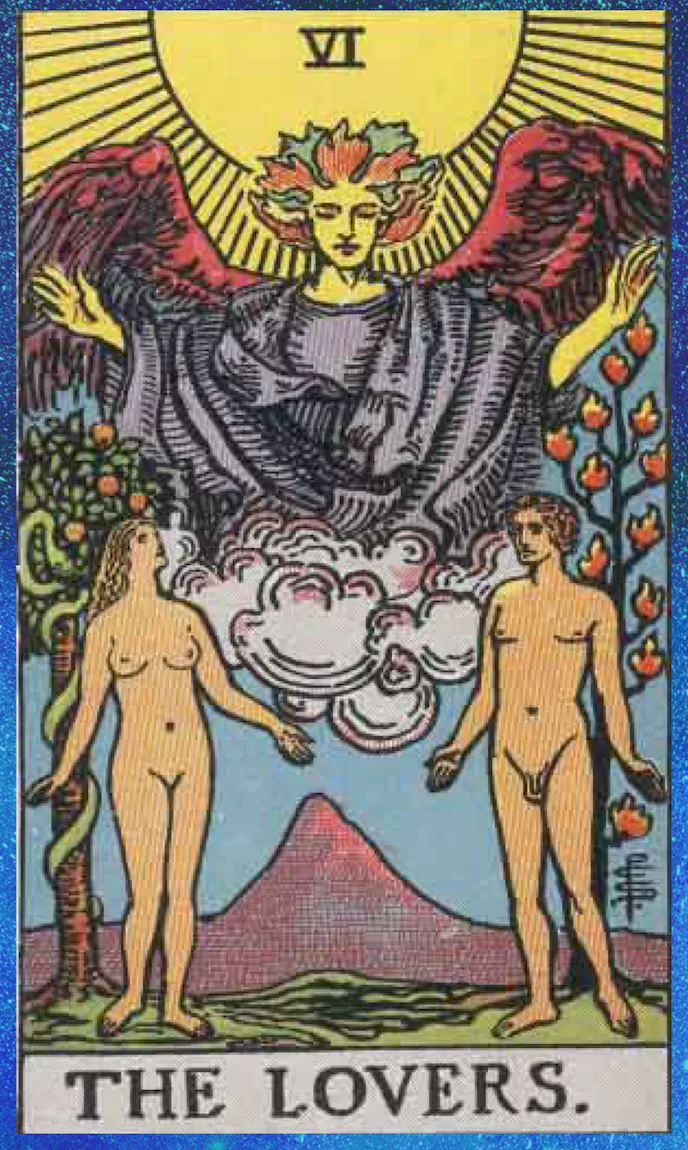
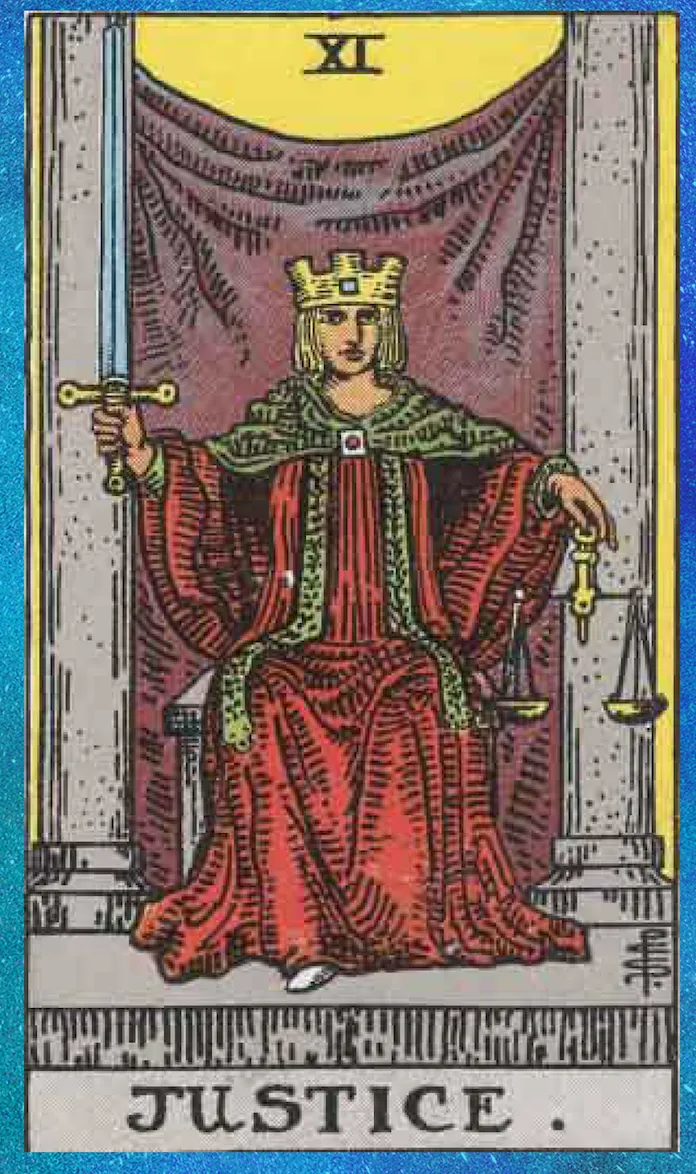
Each card in the Major Arcana represents an archetypal figure or event, such as “Strength,” “The Lovers,” “Justice,” and so on. The Major Arcana is a cornerstone of tarot card reading and provides insight into significant life experiences and spiritual lessons.
The Minor Arcana is the other half of the tarot deck, consisting of 56 cards. These cards reflect the smaller events, challenges, and emotions of daily life, in contrast to the Major Arcana’s life-long teachings and archetypes. The tarot card meanings within the Minor Arcana offer insight into the day-to-day experiences and immediate circumstances affecting the querent.
The series includes four different suits: Wands, Swords, Cups, and Pentacles. Each suit represents different areas of life: Wands symbolize will and ambitions, Swords relate to intellect and conflicts, Cups represent emotions and relationships, and Pentacles denote material aspects and practical matters.
Each suit consists of 14 cards, starting with the Aces (e.g., Ace of Wands), followed by the numbered cards (e.g., Two of Wands through Nine of Wands), and ending with the four court cards: the Page, Knight, Queen, and King (e.g., Page of Wands, Knight of Wands, Queen of Wands, and King of Wands). These cards provide a more detailed insight into the querent’s current situation, aiding in guidance and understanding.
Wands
In tarot, the Wands suit in the Minor Arcana represents the realm of will, ambition, action, and creativity.
These cards often refer to the more dynamic and energetic aspects of life, such as career, personal projects, self-expression, and spiritual growth. The tarot card meanings for the Wands, ranging from the Ace to the King, tend to focus on inner drive, inspiration, and passion for life.
They are frequently used in tarot readings to understand how people’s inner desires motivate them and how these desires impact various aspects of their lives.
In Tarot, the Swords suit in the Minor Arcana represents the realm of intellect, communication, conflict, and challenges.
These cards are often associated with intellectual activities, decision-making, justice, and difficult mental or communication challenges. Tarot card meanings for the Swords, ranging from the Ace to the King, signify mental clarity, the search for truth, and often refer to conflicts or internal and external struggles.
These cards highlight aspects of life where sharp thinking and clear communication are crucial and often serve as warnings about the dangers of excessive aggression or emotional coldness.
In the Tarot, the Suit of Cups represents the realms of emotions, relationships, love, and intuition.
Tarot card meanings for the Cups, ranging from the Ace to the King, often point to the depths of human connections, the richness of emotions, and spiritual bonds. The Suit of Cups embodies inner feelings, empathy, romance, as well as the expressions of joy and sorrow.
They are commonly used in Tarot readings to help understand the mysteries of the human heart, including relationship dynamics, emotional challenges, and the possibilities for achieving inner peace.
The Pentacles suit in the tarot’s Minor Arcana represents material aspects, practical matters, work, and physical well-being.
Spanning from the Ace to the King, these cards often focus on themes such as financial security, economic prosperity, career, and daily practical concerns. The Pentacles cards explore issues of abundance, stability, the importance of effort and perseverance, and emphasize the balance between work and personal values.
In tarot readings, these cards help reveal insights into our material and practical goals, as well as our attitudes toward the physical and financial aspects of life.
Tarot originated in mid-15th century Europe, initially as playing cards. Over time, the cards gained mystical associations and by the 18th century, they had evolved into a tool for divination. A Tarot deck consists of 78 cards, each rich in symbolic imagery, divided into the Major Arcana (22 cards) and Minor Arcana (56 cards), which reflect broader life themes and everyday challenges respectively.
How Is Tarot Card Reading Practiced?
Tarot reading involves interpreting the cards drawn to reveal insights into the past, present, or future. The meaning of each card isn’t fixed it unfolds based on its position in the spread, its relationship with surrounding cards, and the intuitive insights of the reader.
Cultural Approaches to Tarot Reading
In various cultures, Tarot reading involves unique traditions and interpretations that reflect the rich tapestry of human belief and spirituality. In some traditions, a Tarot reading is a solemn ritual surrounded by specific ceremonies, while in others, it is approached in a more casual and accessible way highlighting Tarot’s universal appeal as a bridge between the earthly and the mystical.
What Is an Oracle Deck and How Does It Relate to Tarot?
Oracle decks, while used similarly to Tarot for guidance and reflection, are not bound by Tarot’s traditional structure. They vary widely in the number of cards and themes, offering a more flexible tool for spiritual insight.
Oracle vs. Traditional Tarot Decks
The key difference lies in their structure. Unlike the fixed 78-card system of Tarot, oracle decks are more fluid and often tailored to specific themes or intentions, providing diverse pathways for personal understanding and exploration.
What Are Tarot Cards and How Are They Used?
Tarot cards act as mirrors of the soul, offering a visual language to explore the depths of our psyche, predict potential futures, and navigate life’s challenges. Through symbolic imagery, Tarot connects people with universal truths and spiritual guidance.
Tarot for Personal Reflection and Divination
Beyond divination, Tarot is a powerful tool for self-reflection, offering clarity and insight into life’s circumstances, choices, and emotions. It encourages introspection and can be a catalyst for personal growth and self-discovery.
How to Choose a Tarot Deck
Choosing a Tarot deck is a personal journey. It’s important to resonate with the imagery and feel intuitively drawn to the deck. Consider factors like artistic style, symbolism, and how the deck aligns with your intentions or interests. Exploring different decks can enrich your connection to Tarot, turning each reading into a unique exploration of self and the Universe.
Factors to Consider When Choosing a Tarot Deck:
Artistic Style: Visual appeal is crucial as it affects your connection with and interpretation of the cards.
Symbolism: Make sure the symbols resonate with you and align with your cultural background or spiritual beliefs.
Intuition: A natural attraction to or connection with a deck often indicates it’s a good match.
Purpose: Determine whether your focus is on personal insight, meditation, or prediction, as some decks are designed with specific purposes in mind.
What Methods Are Used in Tarot Reading?
Tarot reading employs various spreads specific arrangements of cards to explore different aspects of life and consciousness. Each spread is designed to structure the reading in a way that aligns with the seeker’s question or a specific situation.
Popular Tarot Spreads for Different Questions or Situations:
Three-Card Spread: Represents past, present, and future offering a clear view of how a situation is unfolding.
Celtic Cross: A more complex spread covering a wide range of factors including possible outcomes and underlying influences.
Love Spread: Designed to address matters of the heart and explore relationship dynamics.
Career Spread: Focuses on professional life, ambitions, and challenges.
What Are the Major Arcana in Tarot?
The Major Arcana consists of 22 cards, each symbolizing significant life themes and karmic lessons. These cards map the soul’s journey through triumphs and trials in the human experience.
Major Arcana Cards and Life-Changing Events: From The Fool to The World, the Major Arcana cards represent archetypal stages of life. Cards like The Lovers, The Tower, and Death often signify pivotal moments of choice, upheaval, and transformation reflecting life’s deeper shifts and opportunities for growth.
What Sets the Minor Arcana Apart in Tarot?
The Minor Arcana is made up of 56 cards, divided into four suits Cups, Pentacles, Swords, and Wands each associated with an element and a specific area of human experience. These cards shed light on the daily aspects of our lives, offering insight into our emotions, thoughts, experiences, and actions.
Everyday Insights from the Minor Arcana: Minor Arcana cards guide us through the practical and emotional dimensions of daily life. For instance, Cups deal with emotional matters, Pentacles with material concerns, Swords with intellectual challenges, and Wands with creativity and action.
How Is Symbolism Interpreted in Tarot?
Tarot symbolism is rich and multi-layered, drawing from a vast array of cultural, historical, and esoteric sources. Interpreting the symbols relies heavily on the reader’s intuition, knowledge, and the contextual relationship between cards.
Cultural and Personal Associations in Tarot Symbolism: While some Tarot symbols may be considered universal like the elements (fire, water, air, earth) many interpretations vary widely across cultures and individual perspectives. Personal and cultural associations play a vital role in how symbolism is understood and expressed during a reading.
How does Tarot provide insight into situations?
Tarot acts as a reflective mirror that reveals the underlying patterns and truths of our lives. Through its imagery, Tarot can shed light on complex situations, offer a new perspective, and highlight unseen factors that may influence decision-making.
Gaining clarity in decision-making through Tarot
By presenting symbolic scenarios, Tarot encourages introspection and guides individuals toward clearer and more informed choices. It helps identify potential outcomes and navigate the nuances of personal dilemmas, thus serving as a catalyst for insightful resolution.
What guidance do the Tarot cards offer?
Tarot offers guidance that spans the spiritual, emotional, and practical aspects of life. It promotes self-exploration and personal growth, often prompting reflection on ethical, moral, and relationship-related questions.
Ethical considerations when offering Tarot readings
When providing Tarot readings, it’s important to approach with sensitivity, confidentiality, and respect for the individual’s autonomy. Ethical Tarot practice involves delivering insights with compassion and without imposing personal beliefs or decisions on the querent.
How is wisdom gained from the Tarot cards?
Wisdom in Tarot arises from the interaction between the symbolism of the cards and the intuition of the reader. It encourages a deeper understanding of life’s cycles, challenges and blessings, promoting a mindful approach to personal and spiritual development.
The importance of rituals in Tarot practice
Rituals play a vital role in Tarot practice, creating a sacred space for self-reflection and connection with the divine. These rituals may include setting intentions, calling in protective energies and cleansing the deck, thereby enhancing receptivity and the meaningfulness of the reading.
What rituals are involved in using Tarot cards?
Rituals are central to Tarot reading, serving to cleanse, sanctify, and connect the physical cards to the spiritual energies they represent. These rituals vary widely but often include meditating with the deck, tapping or touching the cards to clear old energy and invoking guidance from the spiritual realm.
Philosophical principles and Tarot interpretation
Philosophical concepts such as archetypes, the collective unconscious, and the principle of synchronicity deeply influence Tarot interpretation. These principles suggest that the cards drawn during a reading are not random but rather meaningful reflections of the individual’s life situation, offering insights drawn from collective human experience.
How is metaphysical knowledge applied in Tarot practice?
Metaphysical knowledge enriches Tarot practice by incorporating concepts like the Law of Attraction, the idea of “as above, so below,” and belief in spiritual guidance. This knowledge shapes card interpretation by suggesting that Tarot readings can reveal underlying energetic patterns and potentials in a person’s life.
Metaphysical principles in Tarot reading
Metaphysical principles provide a framework for understanding the connections between the querent, the reader, and the cosmos. These principles guide card interpretation, showing that Tarot can tap into universal energies and truths to offer guidance and insight.
How is energy understood in Tarot reading?
Energy is a foundational concept in Tarot reading, underpinning the exchange between the reader, the querent, and the cards themselves. The reader is believed to channel cosmic or universal energy to intuitively interpret the meanings of the cards in a way that resonates with the querent’s life and circumstances.
The role of energy in the exchange between Tarot reader and client
The energy exchange in a Tarot reading is dynamic, involving the transmission of information through the cards and the intuitive connection between the reader and the querent. This energetic flow is crucial for creating a reading that resonates deeply and offers meaningful guidance.
What is cartomancy and how is it related to Tarot?
Cartomancy is the practice of divination using cards, of which Tarot is a specific and more complex form. While Tarot uses distinct symbolic imagery and a structured system of Major and Minor Arcana, cartomancy may involve any deck of cards and often focuses on simpler interpretations based on numbers and suits.
Similarities between Tarot and other forms of cartomancy
Like Tarot, other forms of cartomancy use the symbolism of cards to gain insight into the querent’s life and future. However, Tarot’s rich symbolic system offers a more nuanced and in depth exploration of personal and spiritual matters.
How do Tarot spreads work?
Tarot spreads involve placing cards in a specific layout, where each position in the spread represents a different aspect of the question or situation being addressed. The arrangement of the spread influences how the cards are interpreted, shaping the way their meanings interweave into a cohesive narrative.
Impact of Tarot spread layout on interpretation
The layout of a Tarot spread sets the storyline of the reading, with different spread patterns designed to explore various types of questions and themes. The arrangement of cards can highlight the relationships between different aspects of the querent’s life, offering a structured yet intuitive framework for understanding the guidance Tarot provides.
What defines the expertise of a Tarot reader?
Expertise in Tarot reading is characterized by a combination of intuitive insight, deep understanding of Tarot’s symbolic language, and the ability to communicate complex ideas in a way that is relevant and helpful to the querent.
Skills and qualities of an experienced Tarot reader
Intuitive Insight: The ability to connect with the cards and the querent on a deep, intuitive level.
Symbolic Knowledge: A thorough understanding of Tarot’s symbols and their meanings.
Communication: The skill to express insights clearly and compassionately.
Empathy: Deep sensitivity and understanding of human emotions and situations.
Ethical Integrity: A commitment to providing readings with honesty, confidentiality, and respect for the querent’s autonomy.
The Role of Meditation in Tarot Practice
Meditation enriches the practice of Tarot by creating a quiet mental space, allowing for a deeper connection with the cards and their messages. It fosters a state of openness and receptivity, enhancing the intuitive flow of insights.
Integrating Meditation into Tarot Sessions
Incorporating meditation into Tarot sessions can begin with a mindfulness or grounding meditation to center yourself before drawing the cards. You can also meditate on a specific card’s imagery and symbolism to uncover deeper meanings and insights.
Enhancing the Tarot Experience with Journaling
Journaling is a valuable tool in Tarot practice, offering a space to record insights, reflect on readings and track personal growth over time.
Benefits of Journaling for Tarot Exploration and Self-Reflection
Writing in a journal after a Tarot reading can deepen your understanding of the cards by creating a personal archive of insights, patterns, and progress. It encourages reflective practice, where writing helps clarify thoughts and feelings, reinforcing the lessons and guidance provided by the Tarot.
How Does Tarot Symbolize Different Aspects of Life?
Tarot mirrors the full spectrum of human experiences. Each card represents different aspects of life such as love, conflict, change and resilience. The imagery and symbols in Tarot act as mirrors, reflecting the complexity of the life journey.
Matching Tarot Symbols to Life Situations
Certain Tarot symbols correspond to specific life events. For example, The Tower may represent sudden change or upheaval, while The Lovers may signify a choice in relationships. Interpreting these symbols offers insight into upcoming challenges and opportunities.
What Rituals Are Associated with Tarot Practice?
Tarot rituals range from cleansing and consecrating the deck to setting intentions before a reading. These rituals are more than preparation they’re an essential part of creating a sacred space for spiritual exploration and connection.
The Importance of Tarot Rituals for Spiritual Growth
Tarot rituals play a key role in spiritual development, acting as a bridge between the physical and spiritual realms. They help ground both the reader and the querent, encouraging presence and mindfulness that enhance the depth and clarity of the reading.
How Does Tarot Influence Psychological Understanding?
Tarot intersects with psychology by offering a symbolic language that reflects the workings of the subconscious. It draws on archetypal imagery and narratives that resonate with universal psychological themes, providing insights into personal psyche and behavior.
Psychological Theories and Tarot Symbolism
Psychological theories especially those involving archetypes and the collective unconscious, as proposed by Carl Jung enhance our understanding of Tarot symbolism. These theories suggest that Tarot cards can spark introspective insights and reveal deeper layers of personality and life patterns.
What Spiritual Principles Are Embedded in Tarot?
Tarot is infused with spiritual principles like the Law of Synchronicity, the soul’s journey, and the concept of “as above, so below.” These ideas guide card interpretation, offering spiritual insights and reflections that extend beyond the material world.
Spiritual Practices That Complement Tarot Study and Practice
Spiritual practices that enhance Tarot work include meditation, journaling, and energy work such as Reiki. These practices increase sensitivity to the subtle energies of the cards and deepen your connection to the intuitive and spiritual messages they hold.
How Does Intuition Guide Tarot Readings?
Intuition lies at the heart of Tarot reading. It guides the reader to interpret the cards in a way that resonates with the querent’s life and circumstances. Through intuition, Tarot’s symbols go beyond their literal meanings to speak to deeper truths.
Cultivating and Trusting Intuition in Tarot Readings
Strengthening intuition involves regular practice, mindfulness and a willingness to trust your inner voice. Techniques like meditating with the cards, paying attention to first impressions and practicing readings without relying too heavily on guidebooks can sharpen intuitive skills. Trust in intuition grows with time and experience, supported by reflection on the accuracy and meaning of past readings.
What Is the Significance of Tarot Symbolism?
Tarot symbolism is the language through which Tarot speaks, telling a story that encompasses the universal human experience. Each symbol whether a figure, object, or scene carries meaning that connects to broader themes in the deck like transformation, challenge, unity and renewal.
How Individual Symbols Connect to Broader Themes
Individual Tarot symbols connect to overarching themes across the deck, like threads in the tapestry of the human journey. For example, water often symbolizes emotion and intuition, while mountains may represent challenges or spiritual striving. These symbols work together to convey Tarot’s multifaceted insights into life’s complexity.
How Are Psychological Concepts Applied in Tarot?
Tarot and psychology intersect in exploring the human psyche. Tarot acts as a tool for accessing the subconscious, revealing hidden thoughts and emotions.
Psychological Frameworks in Tarot Analysis
Jungian psychology especially the concepts of archetypes and the collective unconscious is highly applicable to Tarot. This framework suggests that Tarot symbols resonate with universal human experiences and archetypes, offering a rich foundation for psychological exploration and insight.
What Spiritual Insights Can Be Gained from Tarot?
Tarot is steeped in spiritual symbolism, drawing from diverse traditions to offer insight into life’s mysteries and our place in the cosmos.
Spiritual Teachings That Inform Tarot Interpretation
Spiritual teachings from traditions like Kabbalah, Sufism and Eastern philosophies enrich Tarot readings with different perspectives on the soul’s journey, karma and the interconnectedness of all things. This multidimensional approach allows Tarot to offer profound insights that transcend the everyday.